Our Story
It started with a library book. Joseph Davidovits' They Built the Pyramids made a case I couldn't shake — that some of the most famous stonework in the ancient world wasn't carved, it was cast, like an early form of concrete. I was hooked enough that I ended up writing a novel around the idea: The Castors of Giza, a biblical-fiction take on how it might have actually happened.
For a long time that's where it stayed — a novel, a personal fascination, a stack of research. Then, about two years ago, I came across the Natron Theory and the growing community of researchers and hobbyists actually testing the idea for themselves. I was finishing a rewrite of the book around the same time, and decided I wanted to be part of that community instead of just reading about it from the sidelines.
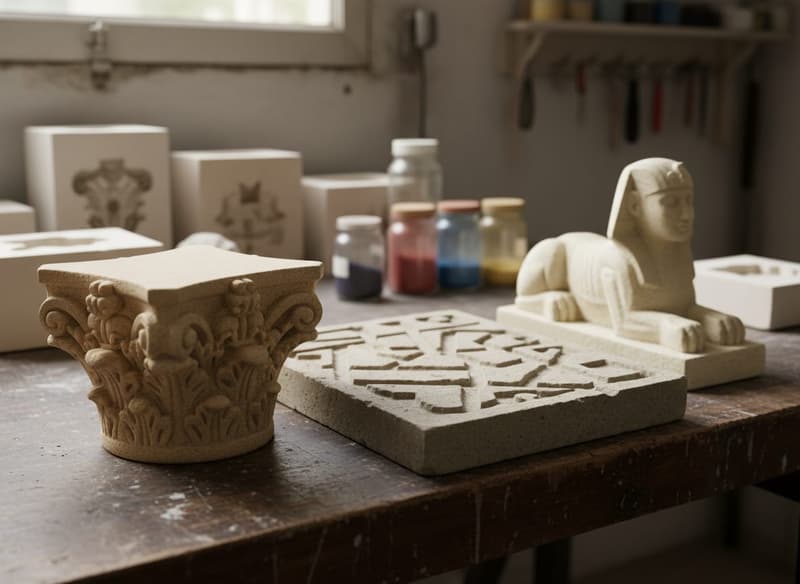
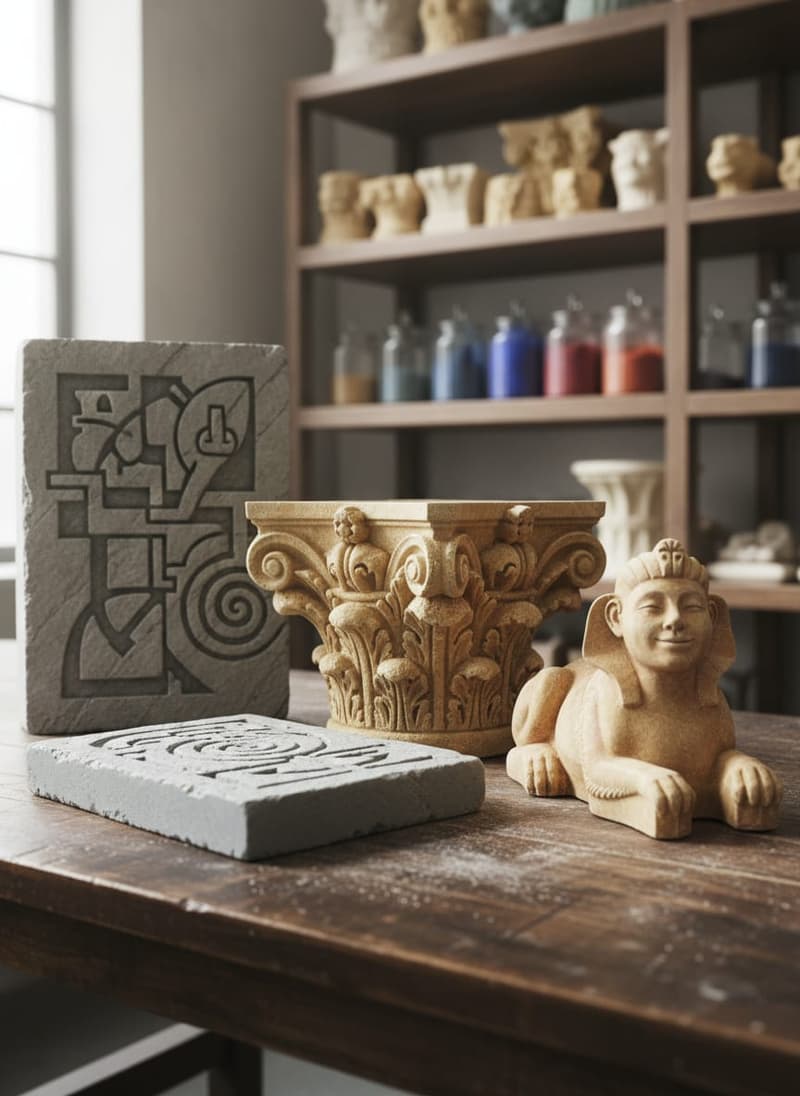
That's how Enigma Stoneworks started. At first the plan was simply to cast pieces of my own. But the more time I spent in this community, the clearer it became that what people actually needed was somewhere to learn, compare notes, and work out the chemistry together. That became StoneRecipes.com: a free, open home for recipes, techniques, and the ongoing experiment of figuring out what ancient builders may have known that we've mostly forgotten.
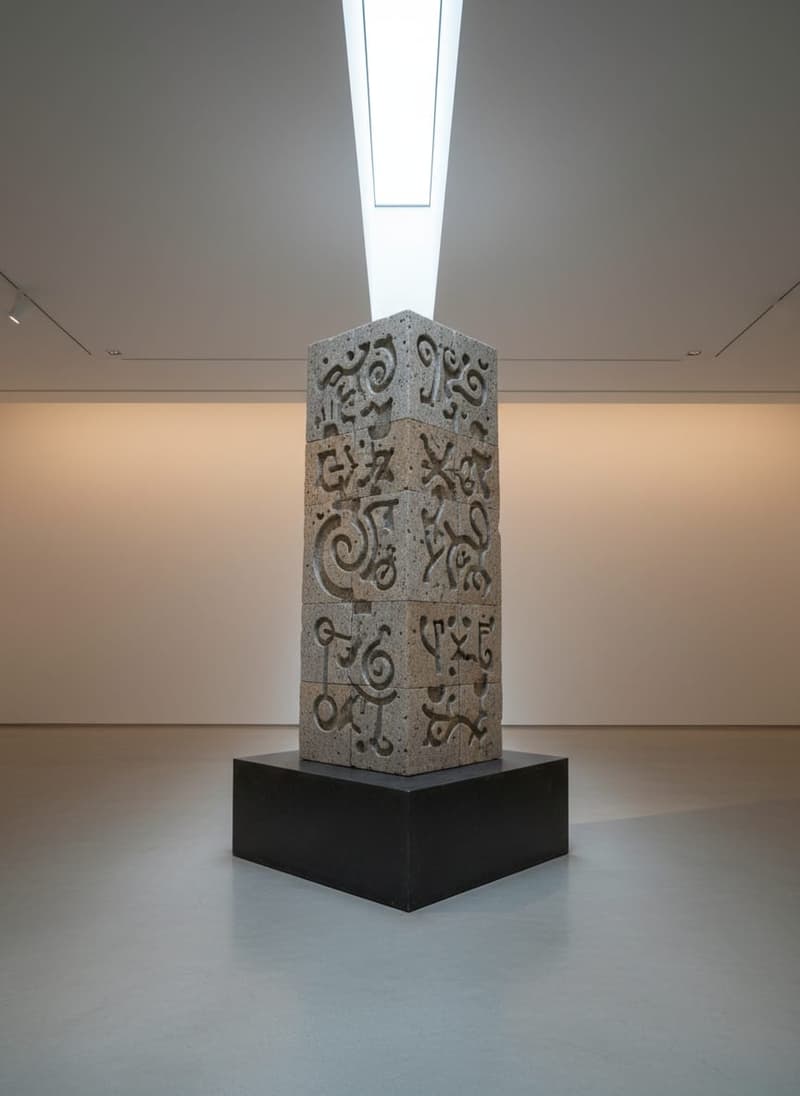
Enigma Stoneworks is still the workshop behind it all: casting, testing, and sharing what we learn. You can see some of the results in the Gallery, and the books that started it all in Resources.